Is This Garment Worth Altering? An Honest Assessment Framework
A straightforward framework for deciding whether an existing jacket, trouser, or suit is worth the alteration investment, or better retired.
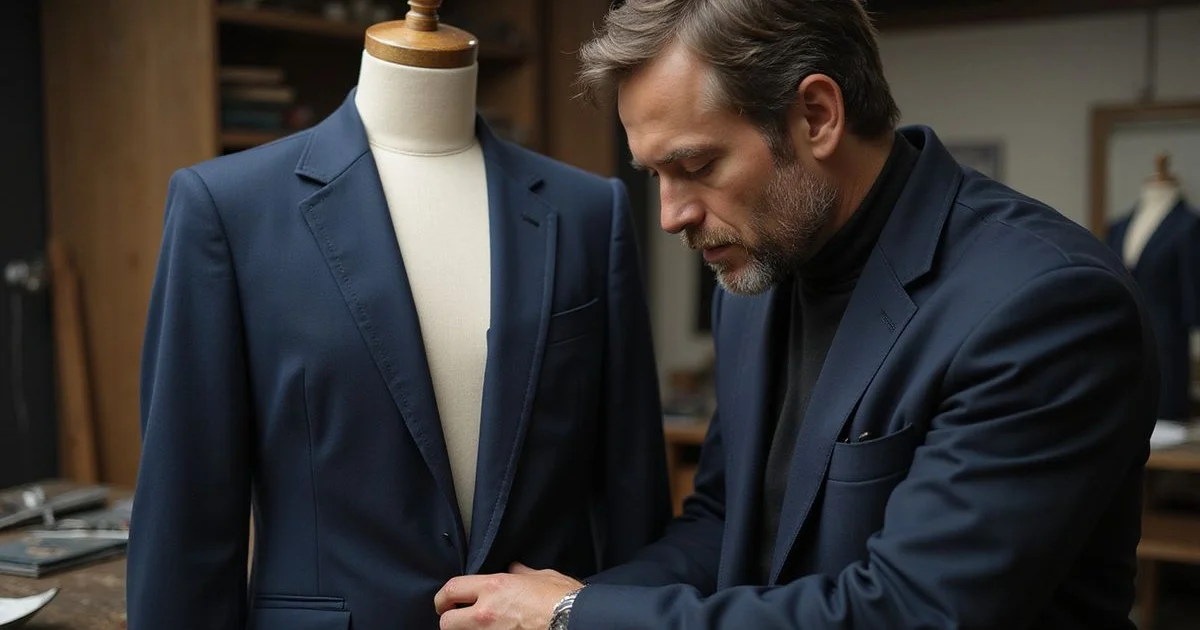
Every week, a client walks into our Lonsdale Street studio hoping we will tell them that the jacket in their garment bag is worth saving. Sometimes it is. Often it is not. The honest answer is never the same, because the decision depends on craftsmanship, sentiment, and simple arithmetic in roughly equal measure.
This article is the framework we use internally at One Tailor, turned into something you can apply yourself before making the trip in. It will not tell you what to do, but it will help you see the garment more clearly.
The 50 Percent Rule
Start with cost-to-value. Compare the quoted alteration cost against the realistic replacement value of the garment. If you are spending more than half of the replacement value to adjust something, the maths is probably working against you.
Three clear examples at Melbourne prices:
- $400 of alterations on a $150 fast-fashion suit. Almost never justifiable.
- $120 of alterations on a $2,500 commissioned suit. An obviously sensible act of maintenance.
- $180 of alterations on a $600 mid-range suit you actually wear weekly. Worth thinking through carefully.
But pure replacement value is an incomplete picture. Two factors bend the rule.
Sentimental and Irreplaceable Value
Your grandfather’s wedding jacket is not a commodity. A piece of Yarra Valley wedding attire connected to a particular memory is not a commodity. A discontinued Italian cashmere flannel you found on Brunswick Street in 2015 is not a commodity. For these garments, the replacement cost is effectively infinite, and the arithmetic shifts dramatically.
Alterations That Reliably Transform
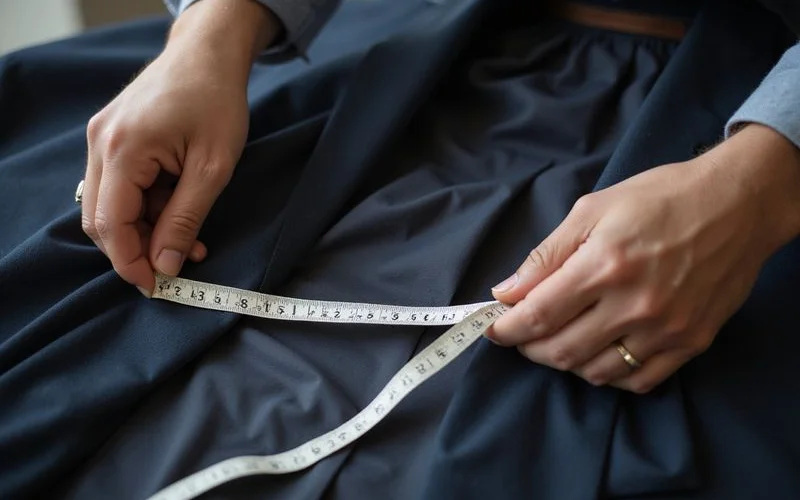
Some adjustments deliver dramatic visual payoffs for their cost. These are the green-light category.
- Trouser hemming. $35 to $60 in Melbourne. Mandatory for anything you will wear in a professional setting.
- Jacket waist suppression. $95 to $180. If the shoulders already fit, bringing the waist in rescues a garment that otherwise looks like a sack.
- Sleeve shortening. $55 to $100. Proper sleeve length can make a mid-price suit look custom from across a meeting room.
- Leg tapering. $65 to $110. Revives a baggy leg line and can extend a suit’s lifespan by several seasons.
These work because they adjust areas where the original construction anticipated change. Seam allowances exist for this purpose.
| Alteration | Cost (AUD) | Visual Impact | Verdict |
|---|---|---|---|
| Hemming trousers | $35 to $60 | High | Essential |
| Waist suppression | $95 to $180 | Very High | Strongly recommended |
| Sleeve shortening | $55 to $100 | High | Recommended |
| Leg tapering | $65 to $110 | Medium | Style dependent |
Alterations That Have Real Limits
Other jobs are technically possible but constrained by what the garment was originally built to accommodate.
Letting out a jacket. Limited by existing seam allowance, usually 20 to 30 mm at most. Also exposed to the risk of “ghost stitch” lines where the original seam absorbed different amounts of UV and dry cleaning chemicals.
Shortening a jacket. Possible but disturbs the proportion of the pockets and the button stance. More than 25 mm usually throws off the visual balance entirely.
Narrowing shoulders. Technically feasible, expensive (often north of $220), and rarely delivers a truly invisible result on constructed jackets.
Reducing trouser waist. Limited by the geometry of the back rise and the back pockets. More than 50 mm of reduction usually migrates the back pockets uncomfortably close together.
Alterations That Are Rarely Worth It
Some requests fail outright. We try to say so honestly.
- Widening shoulders. Effectively impossible without rebuilding the jacket.
- Rescuing poor original construction. Fused jackets often react badly to major surgery. The glue pucker will not go away.
- Major style conversions. Changing a double-breasted to a single-breasted or reshaping peaked lapels is effectively building a new jacket from an old shell. Not worth the cost.
The Fabric Test
Fabric condition is often the deciding factor. A garment can pass every construction test and still be at the end of its useful life.
Signs of remaining life.
- The cloth springs back immediately when pinched.
- Stress points (elbows, crotch, seat) show no obvious thinning.
- Colour is even across panels.
- No moth damage, mildew smell, or visible weakness in the weave.
Signs of retirement.
- Shiny patches at the elbows or seat, where fibres have felted together.
- Fabric feels thin or brittle.
- Exposed areas would reveal uneven fading if the seam was let out.
- Visible pin-holes along old stitch lines.
Questions to Ask Before You Visit
Before you carry the garment to us, sit with four honest questions.
Will I actually wear it after the fix? Alterations on something that will still sit at the back of the wardrobe are wasted.
Do I love the style, or just the idea of saving it? Changing the fit does not change the colour, cut, or era.
How many alterations am I chasing? A single fix is usually worthwhile. Stacking four fixes on one garment suggests a deeper mismatch.
What is my realistic alternative? Sometimes the alteration cost plus the price of the original garment exceeds what a better-fitting replacement would cost outright.
The Honest Conversation
When you come into One Tailor for an alteration consultation, here is what we actually do. We examine construction quality, fabric integrity, and seam allowances. We have you try the garment on and pin what is really wrong with it, not what you think is wrong. Then we tell you three things: what can be done, what it will cost, and what we genuinely believe the outcome will look like.
Sometimes the verdict is an enthusiastic “yes, absolutely, and you will love it.” Sometimes it is “we can improve this, but it will never be perfect, and you should know that before committing.” Occasionally it is “honestly, put that money toward a new suit and let this one rest.”
That clarity is what you deserve from a tailor. If you would like that kind of assessment on a garment you are unsure about, bring it in or visit our alterations service page for more detail on how the process works.
Jason Nick
Expert insights from the One Tailor team in Melbourne.