The True Cost of a Bespoke Suit: Where the Money Actually Goes
A transparent breakdown of why a bespoke suit costs what it does, from the fabric mill to the 60 plus hours of skilled handwork in every commission.
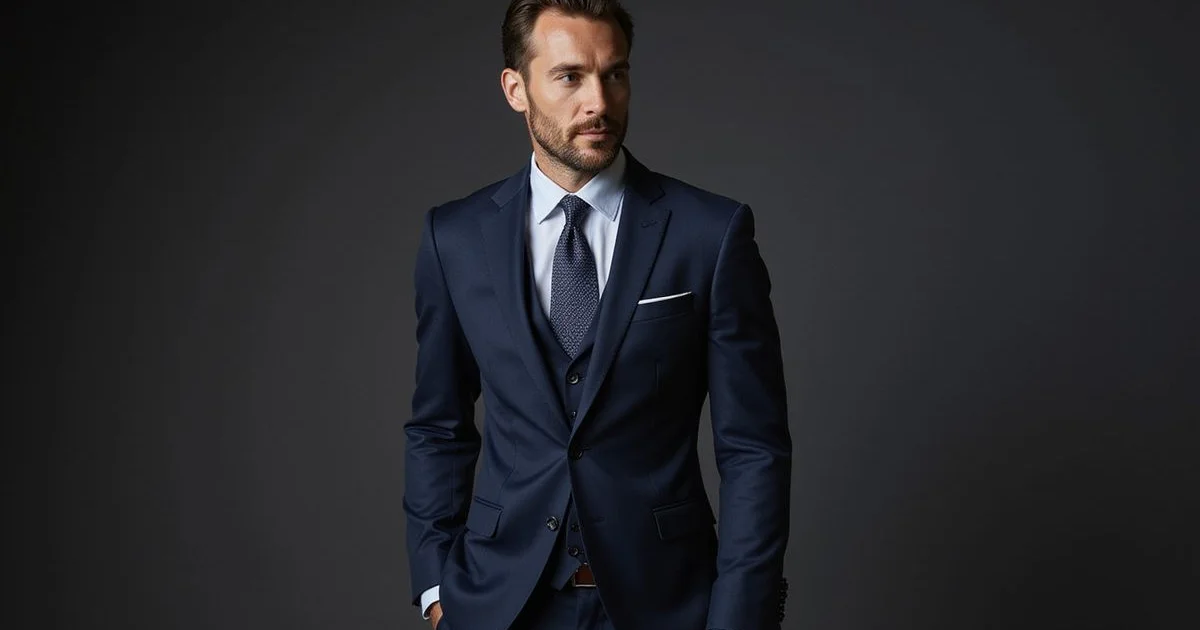
When a new client first hears that our bespoke suits at One Tailor start at AUD 2,800 and reach AUD 6,500 for premium commissions, the very fair question that follows is simple. Why?
You can walk into a large retailer on Elizabeth Street and walk out with a wool suit for a fraction of that number. What exactly does the extra money buy? We believe in answering that honestly. Here is a line-by-line breakdown of where the money actually goes in a bespoke commission.
Starting With the Cloth
Premium suiting fabric is almost always the biggest single line item in the quotation. At One Tailor we source primarily from Holland & Sherry, Dormeuil, Loro Piana, and Vitale Barberis Canonico. These are the same mills that supply Savile Row and the most respected ateliers in Milan, Paris, and Naples.
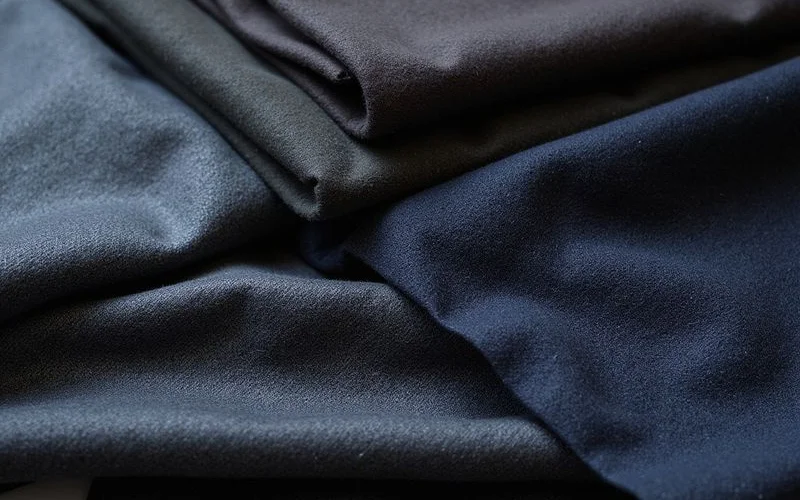
What makes this cloth different is not magic. It is a combination of tightly controlled merino flocks, careful scouring, precision spinning, and finishing processes refined over many generations. The result is a wool that drapes, recovers its shape after a long day at a CBD office, resists wrinkling, and holds colour through years of wear.
For daily business rotation, we often recommend a sturdy Super 110s or 120s worsted wool. The very fine Super 150s and 180s weaves feel gloriously soft on the fingertips but are genuinely fragile and require careful handling. Cloth typically represents 15 to 25 percent of the total project cost, more for limited-edition books and cashmere blends.
The Pattern: The Invisible Engineering
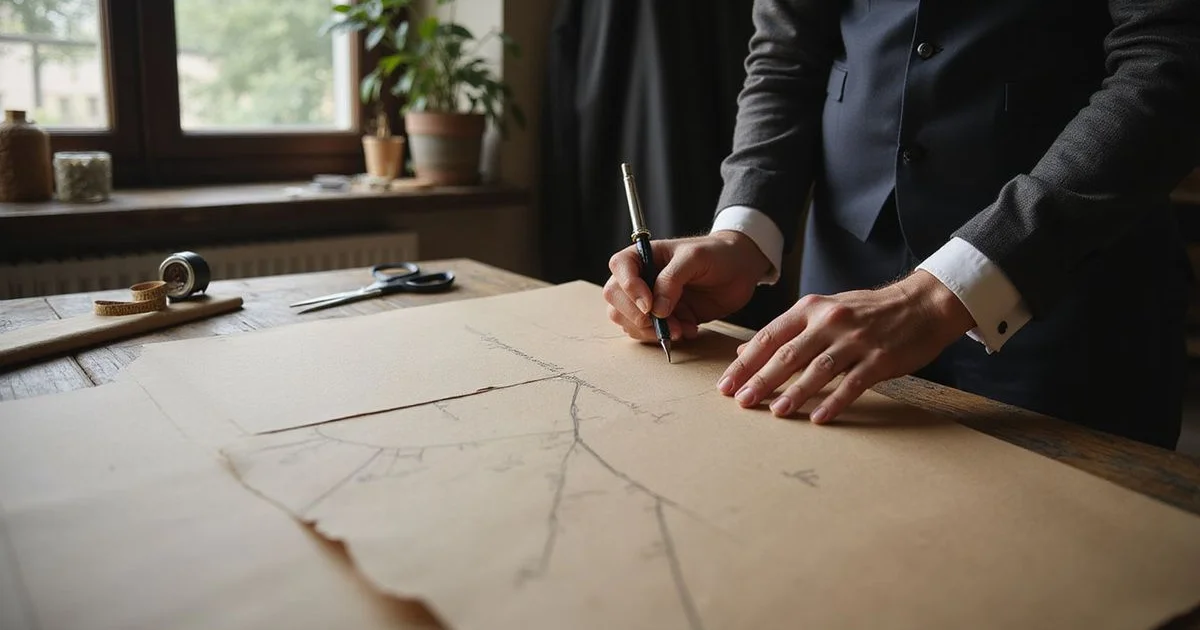
Every commission at our workshop begins with a paper pattern drafted specifically for the client. Not a template that was nudged in four directions on a computer. A fresh sheet of paper, marked up using drafting techniques passed down through three generations of our family.
Creating that pattern requires an understanding of anatomy, geometry, and the behaviour of cloth under tension. Why does one shoulder sit slightly lower than the other? How does a forward-leaning desk posture shift the collar geometry? Where does the fabric want to pool under the arm, and how do we redirect it?
The drafting itself takes between one and two hours for an experienced cutter. What you are paying for is not those hours. You are paying for the thousands of fittings and decades of observation that make those hours possible.
Cutting: Precision That Cannot Be Rushed
Once the pattern is agreed, each panel is cut by hand from the cloth. There is no laser, no CNC machine, no nested automatic layout. A cutter works the shears around each pattern piece, respecting the grain of the fabric, matching stripes and checks across seams, and preserving enough inlay for future alterations.
A mistake at the cutting table ruins expensive cloth and delays the entire project. This is why experienced cutters are a scarce resource in any tailoring tradition. Their judgement has been trained to see problems coming.
Construction: 60 to 80 Hours of Skilled Handwork
This is where the largest portion of the investment sits. A genuinely handmade bespoke jacket absorbs 60 to 80 hours of skilled labour.
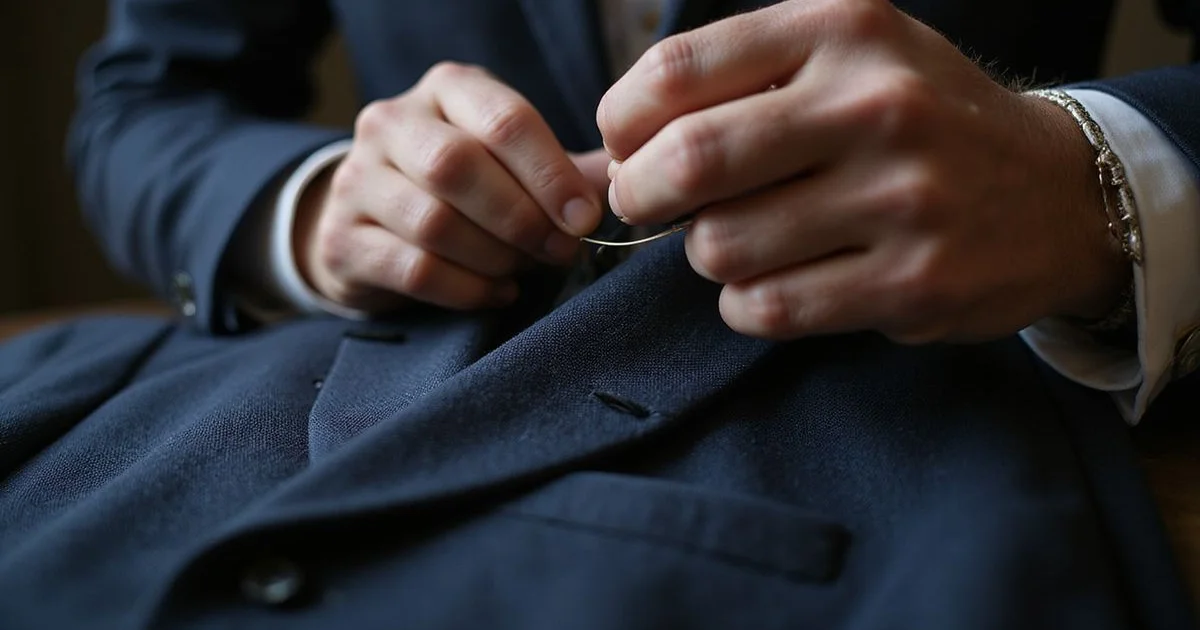
The canvas alone is its own small art form. The internal layer that gives a jacket its shape, built from horsehair and wool, is hand-padded and stitched through the chest and lapel. Thousands of small, deliberately loose stitches allow the canvas to “float” between the fabric and lining, breathing with you and moulding to your body over the first months of wear.
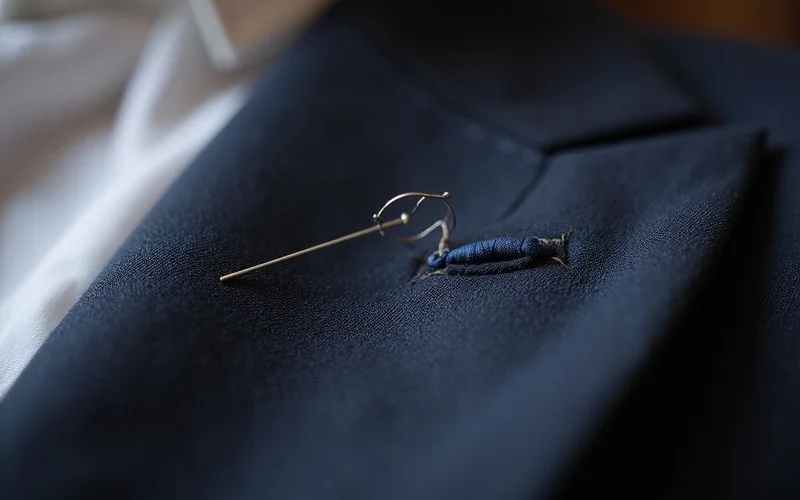
Other handwork details define the visible quality:
- Pick stitching along lapel edges, almost invisible, prevents the lapel from rolling or peeling away.
- Floating canvas built into the chest piece, invisible but structural.
- Hand-sewn buttonholes cut and bound with silk thread. A single buttonhole made properly takes 20 to 30 minutes. A machine buttonhole takes about three seconds and often frays within a year.
Canvas Construction Versus Factory Fusing
| Feature | Hand-Canvassed Suit | Fused Factory Suit |
|---|---|---|
| Internal structure | Floating horsehair and wool canvas | Glued synthetic interlining |
| Adaptability | Moulds to the body over time | Remains stiff, no memory |
| Breathability | High, cloth layers can breathe | Low, glue blocks airflow |
| Typical lifespan | 15 to 20 years | 2 to 4 years |
The Fittings: Refinement in Stages
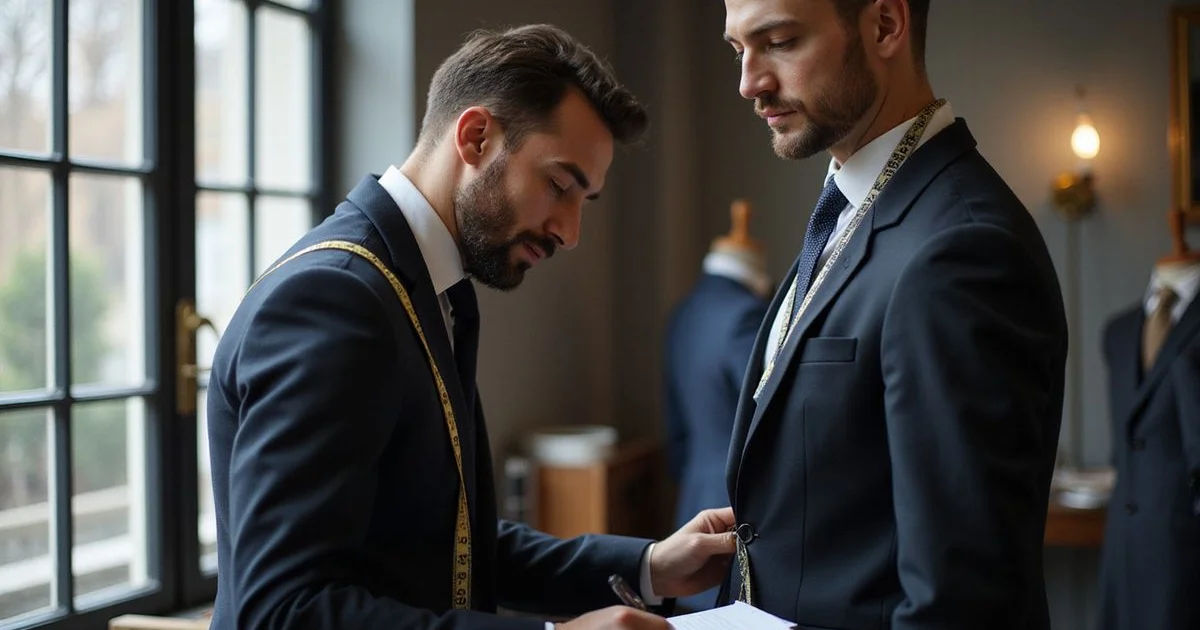
Unlike off-the-rack, our process includes multiple in-progress fittings that consume additional craftsman hours.
- Baste fitting. You try on a skeleton version held together with white basting thread. We mark and rip seams as needed.
- Forward fitting. The outer cloth is properly stitched but the internal structure is still accessible.
- Finish review. A final check before the garment is pressed and delivered.
Each fitting is additional labour for both client and workshop. It is also why the final garment fits the way it does. You cannot replicate those adjustments any other way.
The Cost of Running an Actual Workshop
Behind every commission sits the overhead of a physical tailoring workshop in central Melbourne. Our Lonsdale Street atelier has rent, insurance, industrial equipment, heating and cooling for the city’s unpredictable weather, lighting calibrated for colour accuracy, and the specialised tools our craftspeople have accumulated over decades.
We do not outsource construction. Every stitch in a One Tailor suit is made on site in Melbourne. That commitment keeps quality under our control, supports Australian skilled labour, and allows us to offer ongoing alterations and care for the decades the garment will be with you.
Why Mass Production Is So Much Cheaper
A factory suit uses perhaps AUD 70 to AUD 120 of cloth. Construction takes two or three hours of low-cost labour. Fused canvas replaces the slow handwork of a chest piece. Machine buttonholes are cut in seconds. The outcome is a functional garment priced aggressively for an “average body” that does not really exist.
When you buy from us, you are not paying a premium for a label. You are paying for a garment engineered around your body alone, built to be repaired and worn for many years.
The Cost-Per-Wear Perspective
Think of it this way. An AUD 3,500 commissioned suit worn 200 times over its working life costs AUD 17.50 per wear. A well-cared-for bespoke suit often lasts 15 to 20 years. Some of the first suits I ever made at our original workshop are still in active rotation in our clients’ wardrobes.
Fit is the intangible you cannot buy off a rack. No factory suit will ever fit the way a unique pattern does.
Alterability is a compounding benefit. Because we leave generous inlays and use quality materials, your commission can be adjusted as your body changes over time. Factory suits rarely survive that.
Satisfaction is the quiet benefit. There is a specific pleasure in owning a garment that a human being made for you with patience and skill.
Our Commitment
At One Tailor, bespoke suits begin at AUD 2,800 and scale up depending on cloth and detailing. Every commission includes all consultations, pattern drafting, the full sequence of fittings, and any adjustments needed within the first six months.
No surprise line items. If you have never experienced a genuinely handmade suit and would like to see the craft up close, book a complimentary consultation. Even if you do not commission anything, you will leave with a clearer understanding of why the numbers are what they are.
Jason Nick
Expert insights from the One Tailor team in Melbourne.