How a Suit Should Actually Fit: Checkpoints for Melbourne Professionals
From shoulder seams to trouser break, a honest checklist for spotting the difference between an average fit and a truly considered one.
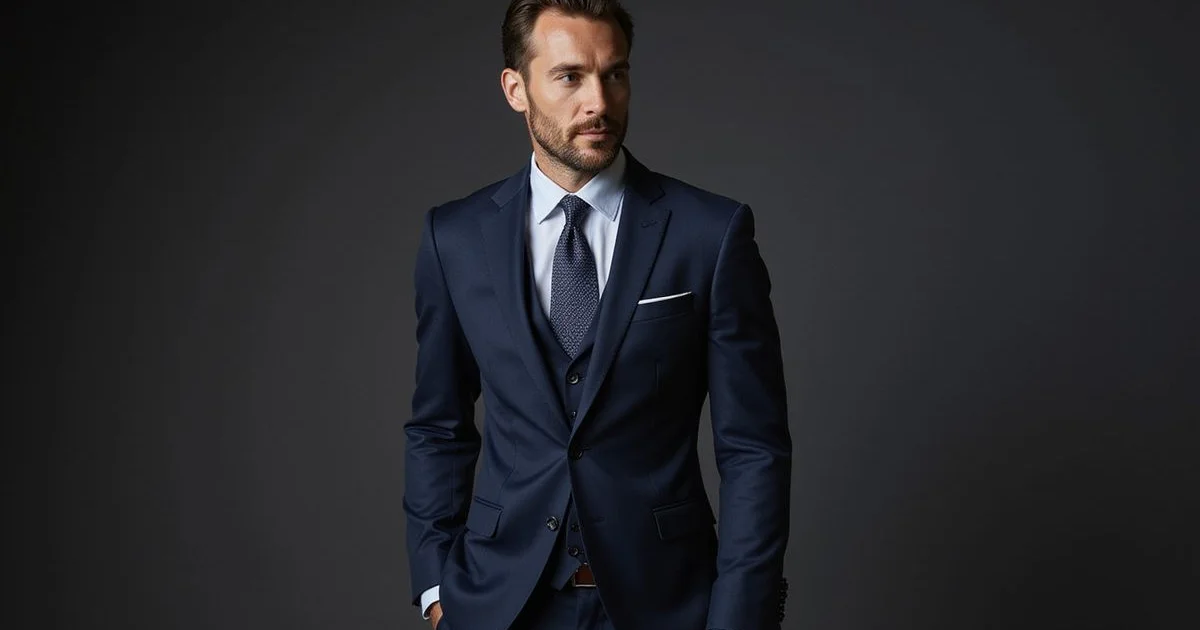
After fitting thousands of clients over three generations, we have come to treat suit fit as a sequence of distinct checkpoints rather than a single holistic judgement. A garment can pass four of them and fail one quietly, and that single failure is usually what makes a man feel vaguely uncomfortable all day without knowing why.
This guide walks through those checkpoints in the order we teach our apprentices at One Tailor. If you are shopping, altering, or preparing to commission something new, keep it handy.
Start From the Top: The Shoulder
Shoulders are non-negotiable. No tailor can rebuild them easily, and any fault here cascades through the rest of the garment.
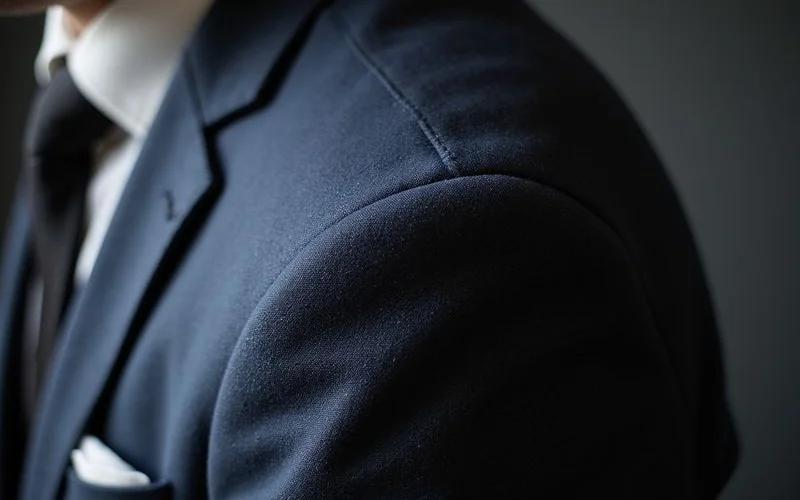
Seam position. The shoulder seam should terminate exactly where your natural shoulder meets the upper arm, at the pivot point. A seam that drifts onto the upper arm makes the jacket look borrowed. A seam perched too far inward pinches and restricts movement.
Surface of the fabric. Look between the collar and the shoulder end. The cloth should lie flat and quiet. Any ripple, divot, or bunching means the shoulder pitch does not match the way you carry yourself.
Professionals who spend long hours at desks around the Docklands towers often develop a slight forward roll that is almost impossible for off-the-rack patterns to accommodate. This is where custom drafting pays off most visibly.
The Collar and the Neck
Slip a finger along the back of the collar. The jacket should rest gently against your shirt collar without floating away. Expect about 12 mm of shirt collar to show above the jacket collar all the way around. A visible gap at the nape is among the most common defects in factory tailoring, and it signals a posture mismatch that an alteration tailor can usually only partially correct.
The Chest and Torso
With the jacket buttoned, slide a flat hand between the cloth and your chest. If it goes in comfortably and no more, you are in the correct zone. If you can pull the jacket away by a fist-width, it is too large. If horizontal tension lines radiate out from the button into an X shape, it is too tight.
Button stance. The top button of a two-button suit should sit around one to two inches above your navel. A well-placed stance elongates the torso and balances the frame. A stance that drifts too high shortens your legs visually. Too low and the chest looks caved.
The Back
Turn your back to a three-way mirror and scan for horizontal ripples below the collar and vertical folds alongside the armholes. Double vents should lie flat when you stand naturally. If they gape open to show the trouser seat, the jacket is too tight through the hips, a common issue for men with athletic lower bodies.
Jacket Length
Classic tailoring says a jacket should cover the curve of the seat and end roughly where your thumb knuckle sits when your arms hang at your sides. Modern silhouettes in Melbourne have trended slightly shorter, but chasing fashion here often backfires. A jacket cut too short destabilises the proportions and makes the trouser waistband look unnaturally high.
Sleeves and Cuffs
Let your arms fall. The jacket sleeve should end at the wrist bone, allowing about 10 to 12 mm of shirt cuff to peek out. You should be able to shake hands and check your watch without the sleeve riding toward the elbow.
| Alteration Type | Typical Cost (AUD) | Notes |
|---|---|---|
| Plain hem shortening | $55 to $80 | Simple shortening from the cuff |
| Working buttonhole retention | $110 to $180 | Requires shortening from the shoulder |
| Lengthening | $60 to $90 | Limited by available inlay |
Trousers: The Half Most Men Forget
The best jacket on earth falls apart visually if the trousers below are poorly fitted.
Waist position. Dress trousers belong at the natural waist, roughly at the navel, not at the hips. Wearing them too low invites sagging in the seat and distorts the back pocket line.
Seat and thigh. The cloth should trace the line of your body without gripping. You should be able to sit through a long client lunch on Flinders Lane without fear of a split seam.
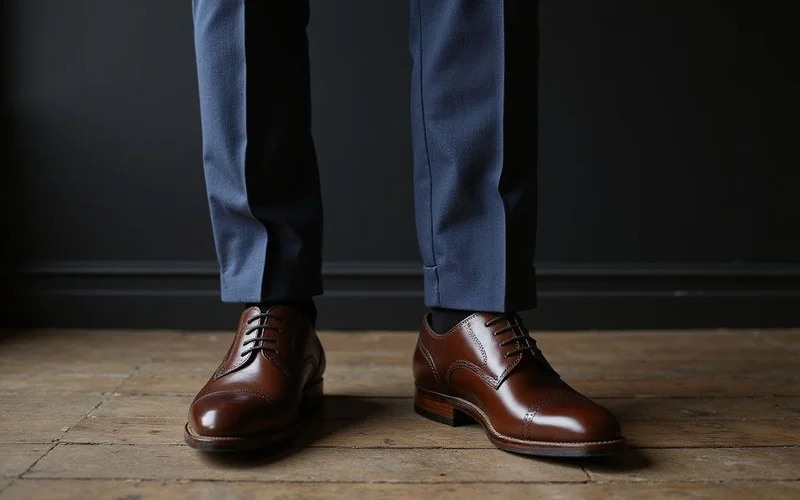
The break. This is the fold of cloth where the hem meets the shoe.
- No break: hem kisses the shoe. Clean, modern, suited to slimmer leg openings.
- Half break: a single soft fold. The safest and most flattering choice for most Melbourne business environments.
- Full break: a substantial fold of cloth. Traditional, but risks looking sloppy unless deliberately styled.
Climate Considerations in Melbourne
One thing worth saying for local readers: the classic fit rules assume you will not be sweating through your suit. Melbourne’s “four seasons in one day” means a breathable cloth with a slightly more generous shoulder and a flexible armhole is often preferable to the very close-cut silhouettes you see in northern European tailoring. We build our patterns with these variations in mind.
When the Fit Is Not Working
If your current wardrobe fails two or more of these checkpoints, you have three options.
Alterations. A good tailor can adjust sleeve lengths, waistlines, trouser hems, and even jacket body width within limits. Shoulders are rarely worth the cost of repair.
Made-to-measure. A better option for standard builds who want control over fabric and details but not the full bespoke experience.
Bespoke. The only route that builds a pattern from zero. If you have significant asymmetry, posture issues, or fit problems that alterations have never quite solved, see our bespoke suits page.
The Fit That Vanishes
The highest compliment a suit can receive is that you forget you are wearing it. No tight armholes. No slipping waistband. No sleeve pulling back during a handshake. That is the standard we aim for at One Tailor. If you are ready for a wardrobe that disappears and lets you focus on the people in front of you, book a consultation.
Jason Nick
Expert insights from the One Tailor team in Melbourne.