The Perfect Dress Shirt Fit: A Melbourne Professional's Guide
A practical checklist for assessing collar, shoulder, body, sleeve, and cuff fit on a modern dress shirt, from a third-generation Melbourne tailor.
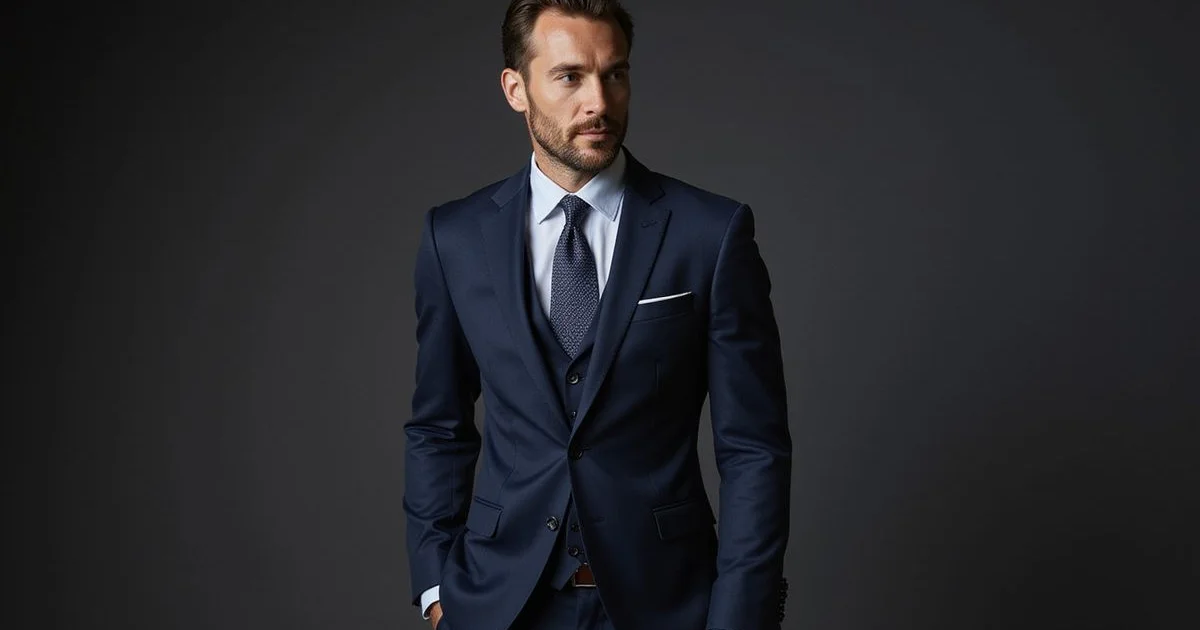
If the suit does the shouting in professional dress, the shirt is the quiet voice that decides whether anyone listens. It sits closest to the skin, it frames the face, and it is the one garment visible whenever you remove a jacket for a working lunch at a cafe off Little Collins Street or a presentation in a warmer office.
Most men never assess their shirt fit properly. They rely on a decades-old neck size and trust the manufacturer to handle the rest. What you end up with is usually a shirt with a correct collar and almost every other dimension wrong.
Here is how we at One Tailor teach clients to evaluate a shirt, starting from the collar and working outwards.
The Collar: Where Eyes Naturally Land
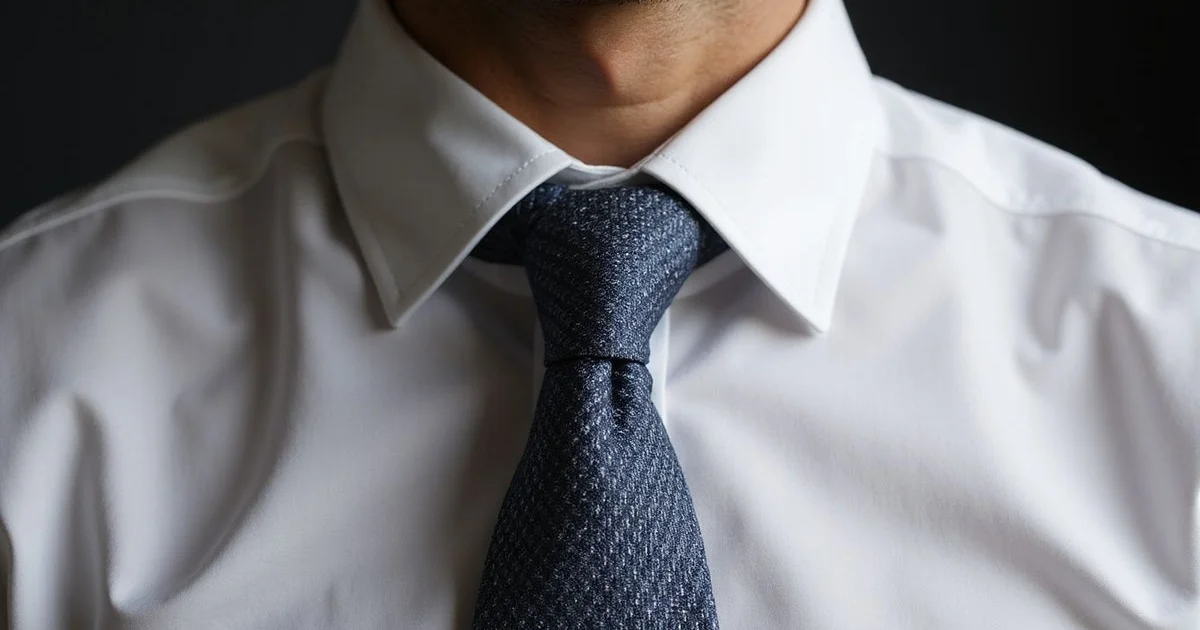
With the top button fastened, you should be able to slide two fingers comfortably between your neck and the collar band. One finger is too tight and will give you a headache by lunchtime. Three fingers is too loose and the collar will gape whenever you turn your head.
Check the collar construction itself. Low-cost fused collars tend to “bubble” after a handful of washes, a defect sometimes nicknamed “bacon collar” for the rippled appearance. A properly constructed collar, whether a good fused build or a floating interlining, stays smooth indefinitely.
The collar points should lie flat against the shirt body. Curling tips mean either poor construction or a collar style that does not match the way you stand and move.
The Shoulder Seam
Look at the seam that runs from the base of your neck outward. It should stop at the edge of your shoulder bone, exactly where the arm begins. Off-the-rack shirts routinely extend this seam too far down because it reduces manufacturing complexity, but the result is a shirt that looks like it was made for someone slightly larger.
The Split Yoke
On the back of a good shirt, the yoke panel is constructed from two pieces cut at an angle rather than a single cut of fabric. This “split yoke” gives better diagonal stretch and accommodates asymmetric shoulders, which almost everyone has to some degree.

The Body: The Ease Question
The difference between your chest circumference and the shirt’s finished chest measurement is called “ease.” It decides whether the shirt looks sharp or tents around your midsection when you tuck in.
| Fit | Chest Ease | Suits |
|---|---|---|
| Slim | 75 to 100 mm | Athletic builds, modern business wear |
| Classic | 125 to 150 mm | Larger frames, comfort-first wearers |
| Vintage / Standard | 175 to 225 mm | Rarely flattering, excess fabric billows |
Tuck the shirt in and look in the mirror. You should not be stuffing handfuls of fabric into the waistband. Lift your arms above your head. A properly dimensioned shirt will stay tucked. Sit down. The placket should not strain between buttons.
Chest and Waist
With arms relaxed, the front of the shirt should lie flat across the chest with no X-shaped creases around the buttons. Quality shirts are cut with some waist suppression, narrowing from chest to waist, rather than falling straight down in a cylinder.
For men with a significant drop, meaning broad shoulders over a narrow waist, back darts help pull in the excess fabric. Off-the-rack shirts rarely offer this, which is why they never quite settle correctly on athletic clients.
The Sleeves
Let your arms hang naturally. The cuff should reach the wrist bone, at the base of the thumb. When wearing a jacket, approximately 10 to 12 mm of shirt cuff should emerge below the jacket sleeve.
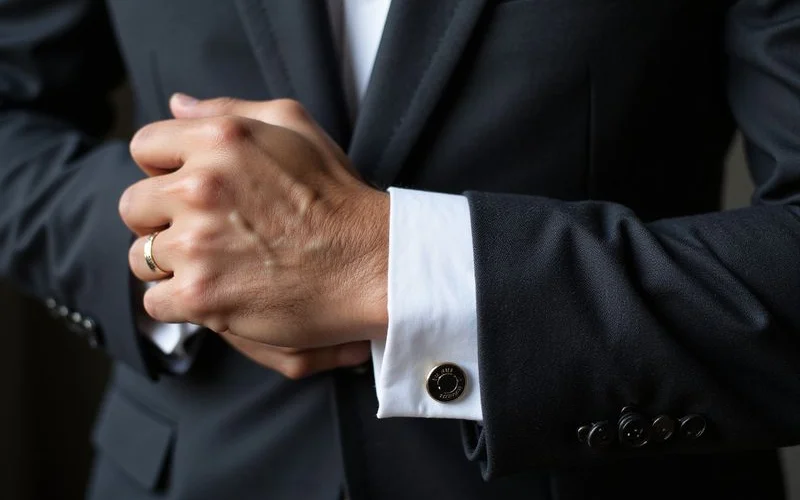
Cotton shrinks in its first several washes, so budget about 10 to 15 mm of shrinkage over the first few months of ownership if you choose a custom shirt. Any reputable maker will factor this in when drafting the pattern.
Armhole position. The armhole should sit close to your armpit, not halfway down your arm. A high armhole allows full range of motion without the shirt untucking every time you raise your hand. This is one of the most visible upgrades a custom shirt delivers over an off-the-rack one.
The Cuffs
A properly sized cuff is snug enough not to slide over your hand when unbuttoned, loose enough to let you slip a finger inside comfortably when buttoned. If you wear a substantial Australian timepiece, ask for 12 to 18 mm of additional circumference on the watch-arm cuff so it does not catch on the watch face during meetings.
Barrel cuffs are the default for daily business wear. French cuffs, slightly longer to accommodate cufflinks, look exceptional under a dinner jacket.
The Back Pleat
Reach forward as if gripping a steering wheel. A well-placed back pleat, whether a single central box pleat or twin side pleats, opens to accommodate the movement and closes flat when you are standing still. A shirt with no pleat restricts movement and often pulls the shoulder seams out of position.
Common Fit Complaints We Hear Weekly
- Collar gap at the back of the neck. Usually the wrong collar band size for the neck shape.
- Small divots where the sleeve meets the shoulder. The armhole geometry does not match the client’s shoulder slope.
- Billowing around the waist when tucked. Insufficient waist suppression or excessive body ease.
- Placket strain when seated. The chest or waist circumference is too tight.
- Cuff that disappears under the jacket. Sleeve length too short, often from undersizing to match a shorter jacket sleeve.
A Note on Melbourne Climate
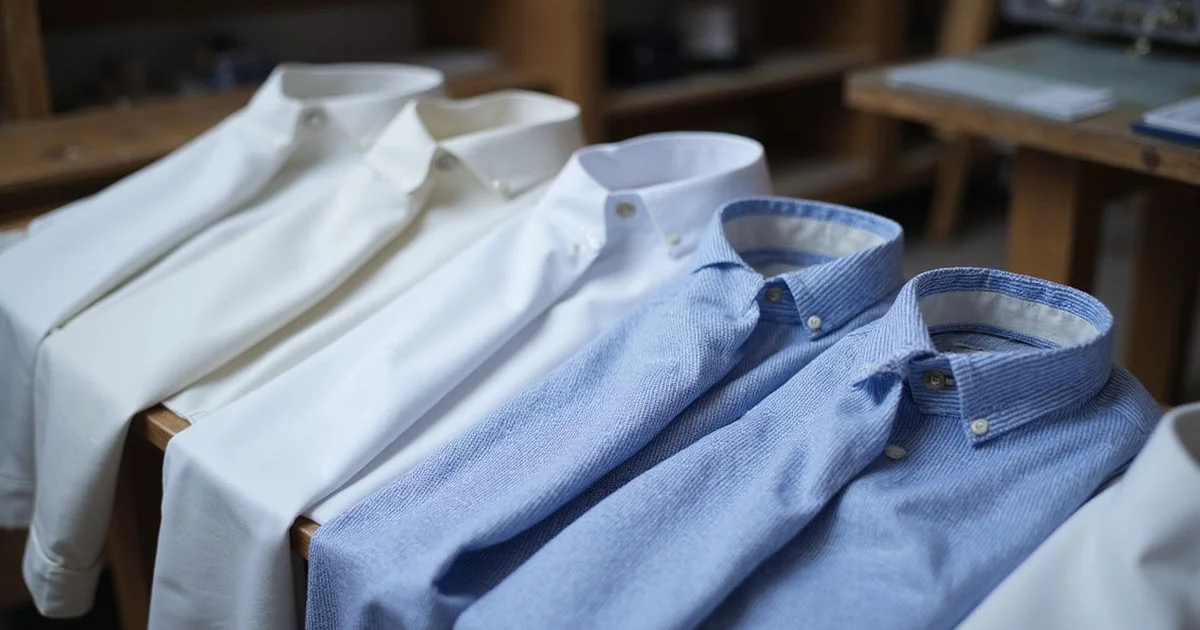
Shirts live a harder life here than in most cities. You walk from a 20-degree tram stop into a 24-degree air-conditioned office, out to a 32-degree afternoon, and home in a cool southerly. A cotton with enough body to hold a crease but enough breathability to manage that cycle is worth the investment. Poplin, fine twill, and high-count Oxford all work differently under these swings.
Why Custom Shirts Solve It All at Once
An off-the-rack shirt tries to fit a wide range of bodies using two or three numeric dimensions. Your body almost certainly falls outside the average in at least one direction. A custom shirt from One Tailor takes more than fifteen measurements and accommodates every one of them, so the fit is right in every dimension, not just two.
If you would like to experience the difference, book a consultation and we will talk through cloth options, collar shapes, and the details that matter most for your wardrobe.
Jason Nick
Expert insights from the One Tailor team in Melbourne.