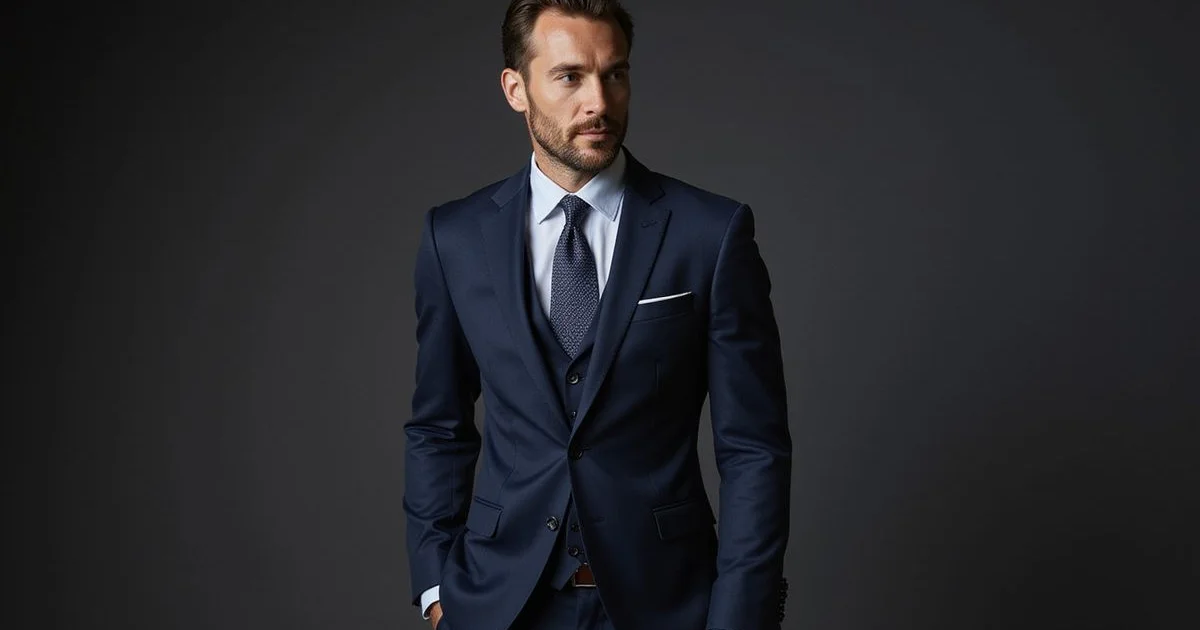
Bespoke vs Made-to-Measure: Clearing Up a Common Confusion
The real technical difference between bespoke and made-to-measure tailoring, and why it matters for your wardrobe investment.
Walk along Collins Street in Melbourne and you will see the word “custom” stamped on half the windows. The language gets stretched until almost every form of adjustment is rebranded as something handcrafted. This is frustrating for the professionals who save up for a serious garment and later discover they bought something quite different from what they imagined.
At One Tailor, we have three generations of family experience behind the cutting table. We want to explain what these terms actually mean in practical, structural language, not marketing speak.
A Quick Plain-Language Summary
- Made-to-Measure (MTM): a standard block pattern, adjusted within set tolerances to match your measurements.
- Bespoke: a unique paper pattern drafted from scratch for your body, cut by hand, and built through multiple in-progress fittings.
Both produce a better result than off-the-rack. They are simply different tools for different wardrobe problems.
How Made-to-Measure Actually Works
Every MTM garment starts with a pre-existing “block.” Think of it as a master template engineered for a statistically average build. When you hand over your measurements, specialised software stretches and contracts that template within pre-set tolerances, usually plus or minus 25 mm in most dimensions.
For the many Melburnians with a reasonably standard build, this is often enough. You get cleaner sleeve lengths, a proper waist suppression, and a collar that sits where it should. Turnaround usually runs three to six weeks, which matters when you are facing a wedding date or a Spring Racing deadline.
The catch lies in posture. Years of desk work at corporate towers around Docklands and the CBD tend to round the shoulders forward. MTM software can only correct so much. Once your shoulder slope or spinal curve moves beyond the programmed tolerance, the algorithm simply clips the difference and produces a garment that still has a small collar gap or a faint rippling across the upper back.
How Bespoke Differs
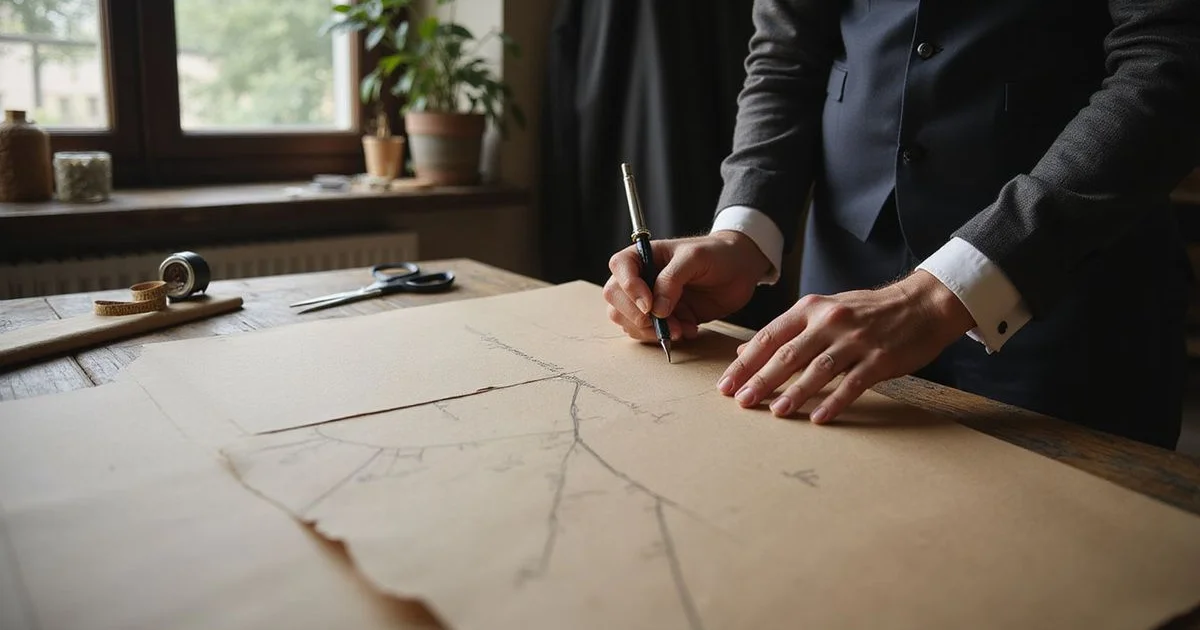
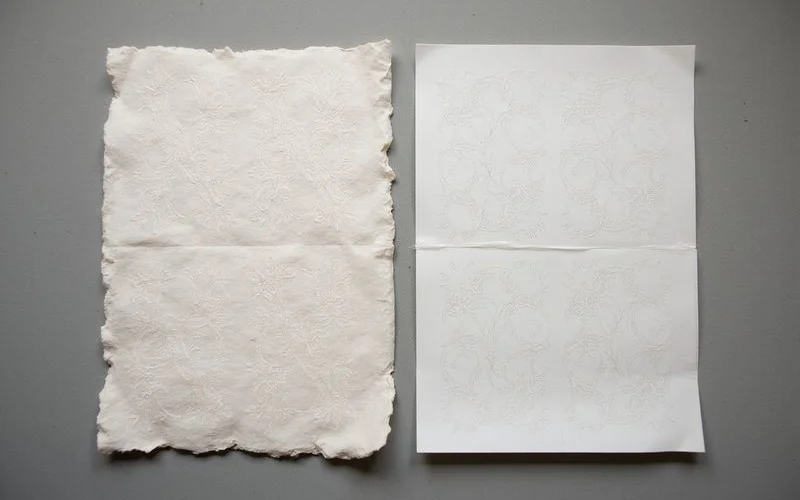
True bespoke begins with a blank sheet of pattern paper. A cutter takes more than thirty measurements, observes how you stand, and drafts a unique geometric plan for your garment. There is no starting template. Every seam, dart, and balance line is a decision made specifically for your posture.
This matters most for bodies that defy averages, such as athletic builds from rowing on the Yarra, asymmetric shoulders, or the forward lean that many long-serving legal and finance professionals develop.
The Internal Engineering
The construction method is where the largest quality gap appears.
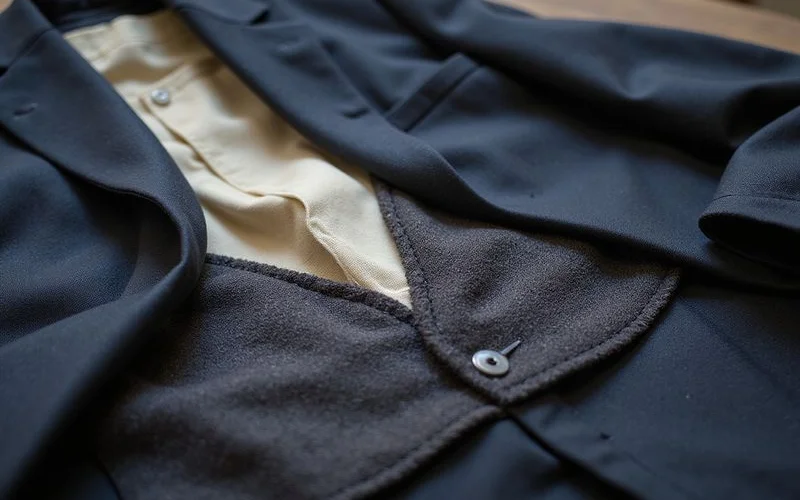
Lower-priced made-to-measure garments typically use a fused chest piece, where the interlining is glued to the outer wool with heat-activated adhesive. It looks sharp in the showroom. After a few years of dry cleaning, the glue can break down and create a bubbled or puckered effect across the chest that no pressing will reverse.
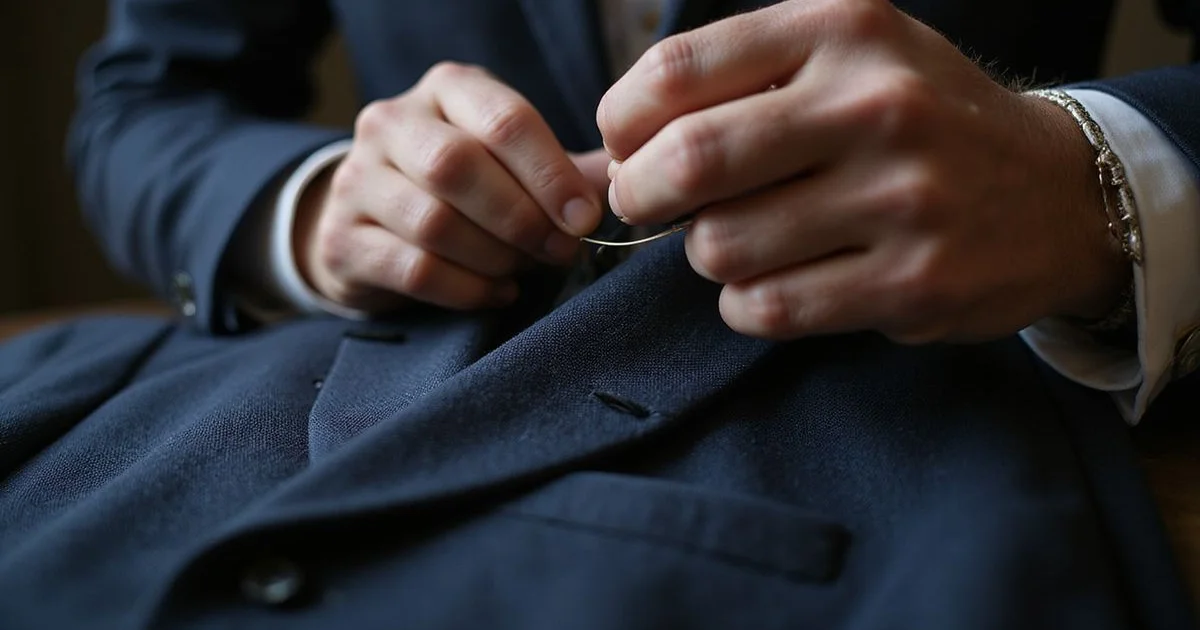
Traditional bespoke commissions use a floating canvas of horsehair and wool, hand-stitched in thousands of tiny, deliberately loose points. The canvas moves independently of the outer cloth, warms against your body, and gradually shapes itself to your frame over the first season of wear.
Fittings: The Most Important Difference
Made-to-measure typically involves a single measuring appointment. Bespoke adds two or three in-progress fittings so the cutter can sculpt the garment on your body while the seams are still accessible.
- The baste fitting. You try on a raw version held together with white basting thread so imbalances can be corrected before the fabric is finalised.
- The forward fitting. The outer cloth is stitched but the internal structure is still open for adjustment.
- The finish review. A final check on button stance, hem lengths, and drape.
Side by Side
| Feature | Made-to-Measure | Bespoke |
|---|---|---|
| Starting point | Adjusted block pattern | Unique paper pattern |
| Fittings | One session | Two or three stages |
| Typical timeframe | 3 to 6 weeks | 8 to 12 weeks |
| Alterability later | Limited | Generous inlays |
| Expected lifespan | 3 to 7 years | 15 to 20 plus |
Which Should You Choose?
Consider made-to-measure when you need a reliable wardrobe quickly, when your body is still changing, or when you are building a starter kit of business suits on a sensible budget.
Choose bespoke when you are investing in a garment for the long term, when your posture or proportions fall outside the average, or when the occasion calls for a silhouette that feels genuinely tuned to you.
At One Tailor, we work with both paths depending on what makes sense for the client in front of us. If you would like to see the difference in person, feel the canvas, and discuss which approach suits your wardrobe, schedule a consultation at our Lonsdale Street studio or ask about our bespoke suits service.
Jason Nick
Expert insights from the One Tailor team in Melbourne.